named.storms.im
When is a storm named?
There isn’t a particular wind speed that automatically does it. Shaun the Sheep is on the official list. And if Ophelia arrives from the Atlantic, she keeps her name.

A desk of naming stories
Pick a story. There isn’t a particular wind speed that automatically results in a name — and Shaun the Sheep is on the official list.
The UK Storm Centre puts the rule in terms of what a storm might do, not what a gauge must first show. “In the UK a storm will be named when it has the potential to cause disruption or damage which could result in an amber or red warning.” That decision “is based on our National Severe Weather Warnings service, which is a combination of both the impact the weather may have, and the likelihood of those impacts occurring.” [source]
A Met Office blog, written on 20 October 2026, the day Storm Austen was named, has a sentence that stays in the head: “There isn’t a particular wind speed, rainfall total or central pressure that automatically results in a storm being named.” Austen itself was named while a yellow warning for wind was in force, not an amber or a red. Yellow, the blog explains, can already mean that significant impacts are possible, even if confidence is still building. [source]
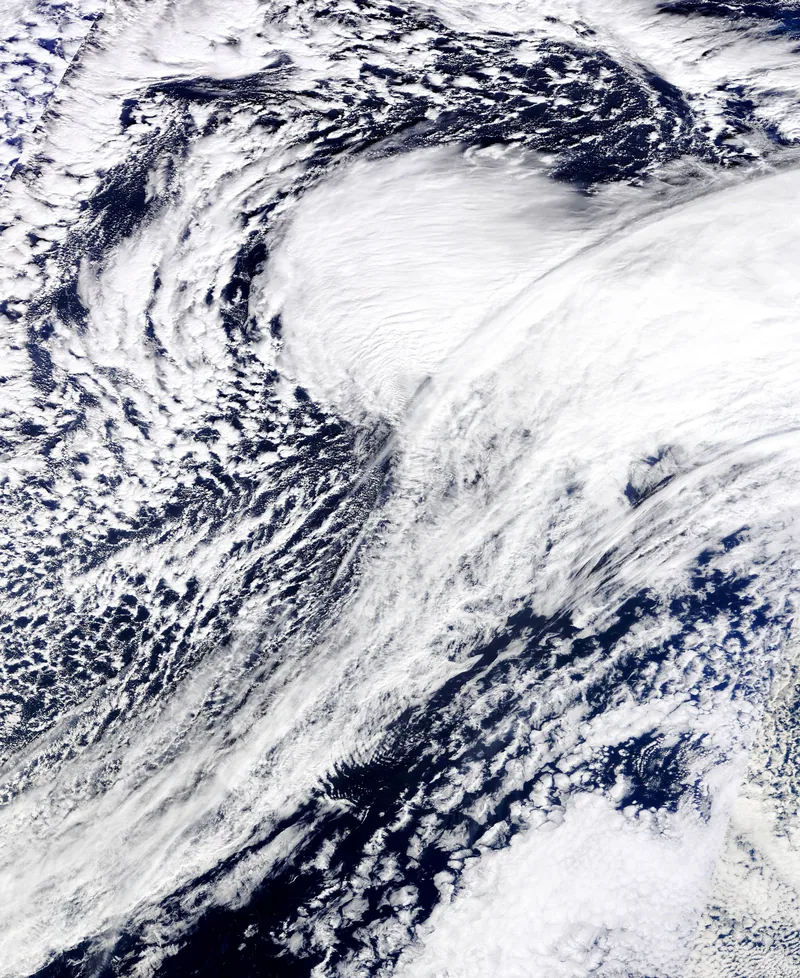
A list with Shaun the Sheep on it
Name our Storms “first launched in 2015.” A new list appears each September, and runs from early September to late August the following year. The names are selected jointly by the Met Office, Met Éireann and KNMI. The official announcement of the 2026–27 list is headed “From family tributes to Shaun the Sheep.” Shaun is a Met Office name, sitting quietly between Ruban and Theo. [source] [source]
By 17 November 2026, the UK Storm Centre had already recorded two names as used: Austen, named on 20 October, with a date of impact of 23 October; and Boelo, named on 22 October, with a date of impact of 24–25 October. Boelo, a KNMI name, is pronounced Boo-loh. [source] [source]
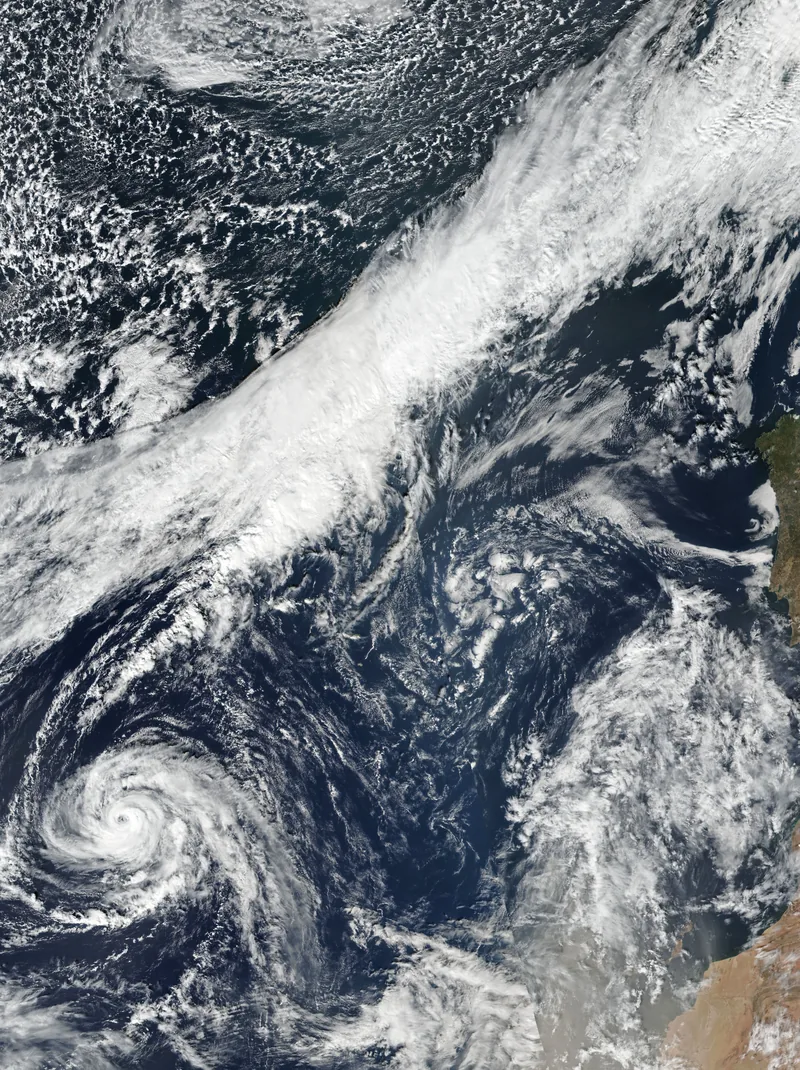
If a hurricane arrives, it keeps its name
The official method is almost courtly. If the remnants of a tropical storm or hurricane move across the Atlantic, they are referred to as, for example, “ex-hurricane Ophelia.” If that system then reaches the criteria for naming a storm in the UK because of the possible impacts, “the name would not change but it would be known as ‘Storm Ophelia’.” Only names officially designated by the National Weather Service in the US are used in that way. [source]
Atlantic tropical cyclones have a list of their own, published by the National Hurricane Center and maintained by a WMO committee. The 2026 list, from Arthur to Wilfred, will be used again in 2032, unless a name is retired. The name finder lets you walk both lists.
Keep exploring
- When is a storm named? — the official rule, and why Austen was named on yellow.
- The 2026–27 names — from Austen to Wende, with official pronunciations.
- Storm-name finder — look up a name on either official list.
- manx.storms.im — how those named storms were recorded on the Isle of Man.
Enjoyed this naming desk?
No pop-ups. No intrusive advertising. Just interesting stuff. A little support helps the next storms site get built.