The official rule
When is a storm named?
A name is about the disruption a storm might cause, not a number that a gale must first pass. Storm Austen, the first of the 2026–27 list, was named on a yellow warning.
The UK Storm Centre is the official home of the rule. “In the UK a storm will be named when it has the potential to cause disruption or damage which could result in an amber or red warning.” The decision “is based on our National Severe Weather Warnings service, which is a combination of both the impact the weather may have, and the likelihood of those impacts occurring.” [source]
The official names announcement for 2026/27 puts the same idea in slightly different official clothes: storms are named by the group “when they have the potential to cause medium or high impacts in the UK, Ireland and the Netherlands. This would typically mean an amber or red warning is expected to be issued at some point during the event.” [source]
There isn’t a particular wind speed
On 20 October 2026, the day Storm Austen was named, a Met Office blog asked the obvious question, and answered it with a sentence that is easy to love. “There isn’t a particular wind speed, rainfall total or central pressure that automatically results in a storm being named.” Naming, the blog says, is based on the potential for significant disruption and impacts. Strong winds are often the main consideration, but heavy rain and significant snowfall can also lead to a storm being named. [source]
The Storm Centre has already said as much, in its own words. “Storms will usually be named on the basis of the impacts from strong winds, but the impacts of other weather types will also be considered.” Rain may count “if its impact could lead to flooding as advised by the Environment Agency, SEPA and Natural Resources Wales flood warnings, or snow.” [source]
Why Austen was named on yellow
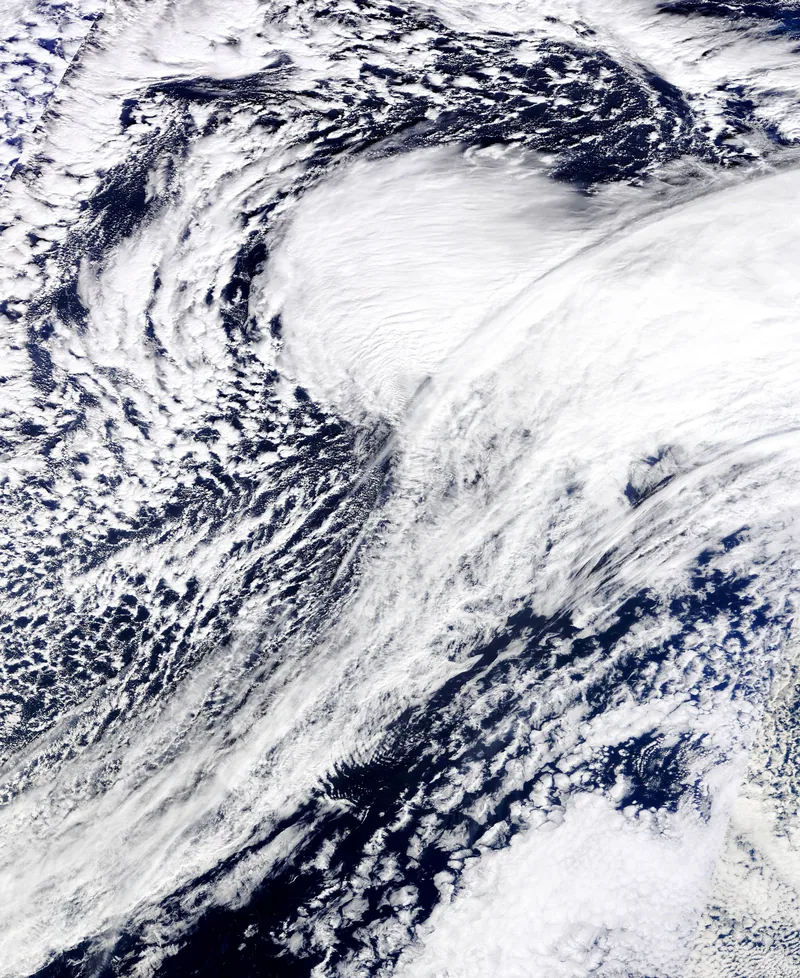
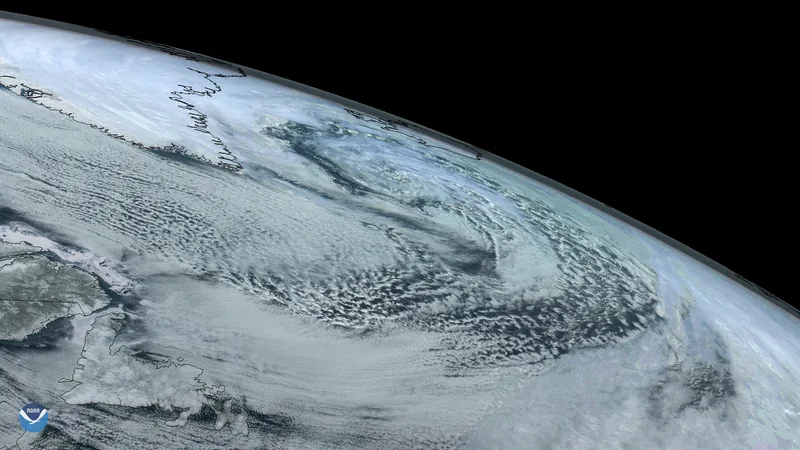
Austen “is associated with an area of low pressure forming in the Atlantic, which is expected to rapidly deepen as it is invigorated by the jet stream.” On the day it was named, “a Yellow Warning for wind has been issued for southern England and south Wales.” Gusts “in excess of 70mph are possible around the most exposed coasts, with 50-60mph gusts likely more widely within the warning area.” Potential impacts included travel disruption, power cuts and injuries from debris. Rain was “an additional hazard,” with “20-30mm expected in many places, with higher totals possible over western high ground and farther north on Friday.” [source]
Met Office Deputy Chief Forecaster Tom Crabtree said: “While the exact track and position of Storm Austen is still being determined, what’s clear is that we have an impactful period of weather on the way and the potential for disruption in places, which has resulted in the system being named.” Warnings, he added, “are under constant review and could be updated as confidence increases.” [source]
The blog then explains something that surprises people who have only ever watched for amber. A yellow warning “can cover a range of weather scenarios.” It may indicate weather that is likely to cause some disruption, “such as travel delays in a few places, while allowing many people to continue with their normal activities.” But yellow “can also be used when much more significant impacts are possible, but confidence in exactly where or whether those impacts will occur is lower.” A storm may therefore be named while only yellow warnings are in force “if there is the potential for disruptive impacts. As forecast confidence increases, warning areas and warning levels may be updated accordingly.” [source]
Who actually names it
“When the criteria for naming a storm are met, either the Met Office, Met Éireann or KNMI can name a storm, taking the name from the latest list in alphabetical order.” Name our Storms “first launched in 2015.” [source]
If a hurricane or tropical storm arrives from the Atlantic, the name is already chosen. The official example is Ophelia: first “ex-hurricane Ophelia,” and, if the UK criteria are met, “Storm Ophelia.” The name does not change. [source]
Keep exploring
- The 2026–27 names — Austen, Boelo, and Shaun the Sheep.
- The Beaufort scale — why Force 10’s official name is not a naming threshold.
- Discoveries — Goretti’s survey, the missing letters, and more.
Enjoyed this naming desk?
No pop-ups. No intrusive advertising. Just interesting stuff. A little support helps the next storms site get built.