A marine-forecast scale
The Beaufort scale, and a word already taken
Force 10 is officially called “Storm.” That is a description on a wind scale, not the rule that puts Austen or Boelo on a list.
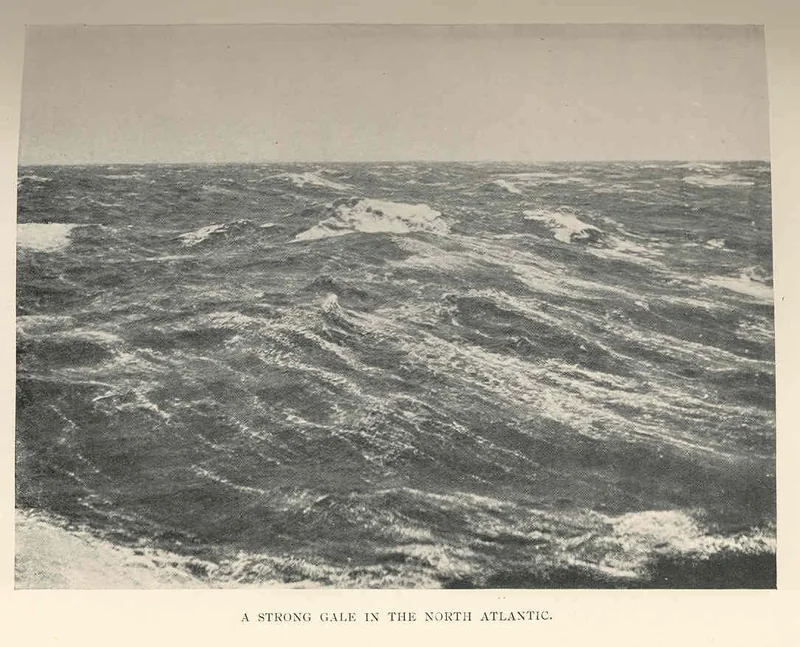
The Met Office publishes the Beaufort wind force scale with official descriptive terms and wind-speed limits in knots, from 0 Calm (less than 1 knot) to 12 Hurricane (64 knots and above). Wave heights on the scale “refer to well-developed wind waves of the open sea.” To convert knots to mph, the same official page says, “multiply by 1.15, for m/s multiply by 0.514.” [source]
Swipe to see the whole official scale.
| Force | Official term | Wind |
|---|---|---|
| 0 | Calm | <1 knots |
| 1 | Light air | 1–3 knots |
| 2 | Light breeze | 4–6 knots |
| 3 | Gentle breeze | 7–10 knots |
| 4 | Moderate breeze | 11–16 knots |
| 5 | Fresh breeze | 17–21 knots |
| 6 | Strong breeze | 22–27 knots |
| 7 | Near gale | 28–33 knots |
| 8 | Gale | 34–40 knots |
| 9 | Strong gale | 41–47 knots |
| 10 | Storm | 48–55 knots |
| 11 | Violent storm | 56–63 knots |
| 12 | Hurricane | 64+ knots |
A footnote on that official page is easy to miss, and then hard to forget. “The official term is Strong gale, however, the Met Office uses the descriptive term Severe gale.” Force 9, in other words, has an official term and a Met Office descriptive term. [source]
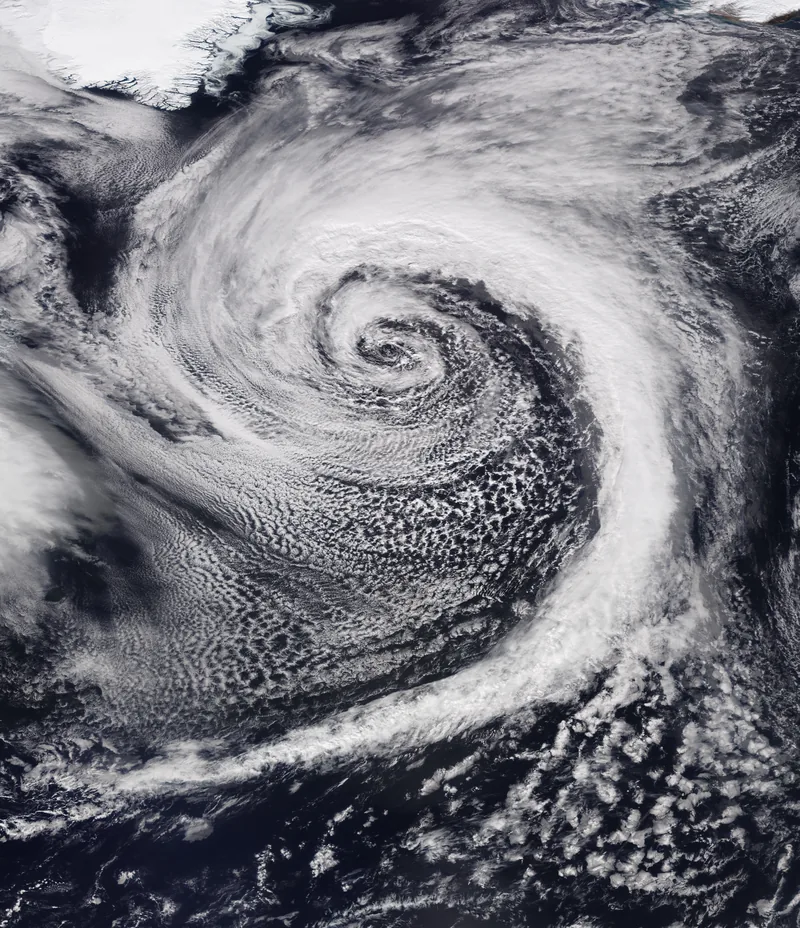
Force 10’s official name is “Storm.” That can sound like a threshold for the naming scheme, but it is not. A weather system is named from the annual list because of the disruption it may cause, not because a mean wind has reached 48 knots. The two official vocabularies sit alongside each other, and they do different work. [source] [source]
At the top of the scale, Force 12 is printed as “Hurricane.” In warnings, the Met Office’s marine-forecast glossary uses the term “hurricane force.” “The term ‘hurricane’ on its own means a true tropical cyclone, not experienced in British waters.” [source]
Keep exploring
- When is a storm named? — the actual official rule.
- Atlantic names — where the word hurricane belongs in its other official sense.
- The fact file — the scale, the lists, and the missing letters.
Enjoyed this naming desk?
No pop-ups. No intrusive advertising. Just interesting stuff. A little support helps the next storms site get built.