A different official list
Atlantic names, from Arthur to Wilfred
Six lists, used in rotation, recycled every six years. The 2026 list will be used again in 2032, unless a name is retired.
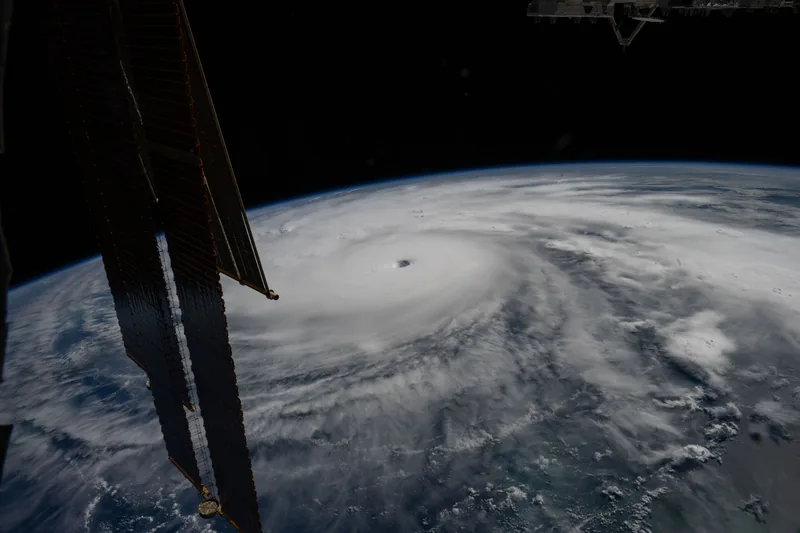
“Since 1953, Atlantic tropical storms had been named from lists originated by the National Hurricane Center. They are now maintained and updated through a strict procedure by an international committee of the World Meteorological Organization.” [source]
The 2026 Atlantic list, as published on that official page, is: Arthur, Bertha, Cristobal, Dolly, Edouard, Fay, Gonzalo, Hanna, Isaias, Josephine, Kyle, Leah, Marco, Nana, Omar, Paulette, Rene, Sally, Teddy, Vicky, Wilfred. “The six lists above are used in rotation and re-cycled every six years, i.e., the 2026 list will be used again in 2032.” [source]
When a name is retired
A name is retired “if a storm is so deadly or costly that the future use of its name for a different storm would be inappropriate for reasons of sensitivity.” [source]
And if a season is so busy that the 21 names run out? “In the event that more than twenty-one named tropical cyclones occur in the Atlantic basin in a season, any additional storms will take names from an alternate list of names approved by the WMO.” [source]
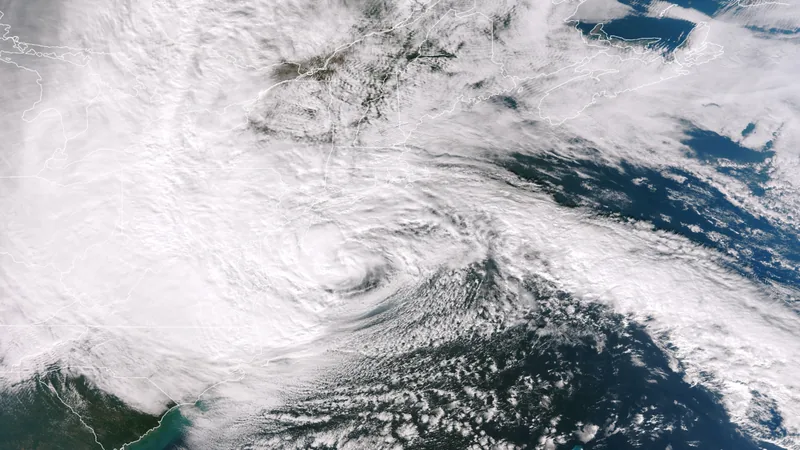
A storm in December, or in February
The official off-season rule has a neat twist. “If a tropical cyclone formed on December 28th, it would take the name from the previous season’s list of names. If a storm formed in February, it would be named from the subsequent season’s list of names.” [source]
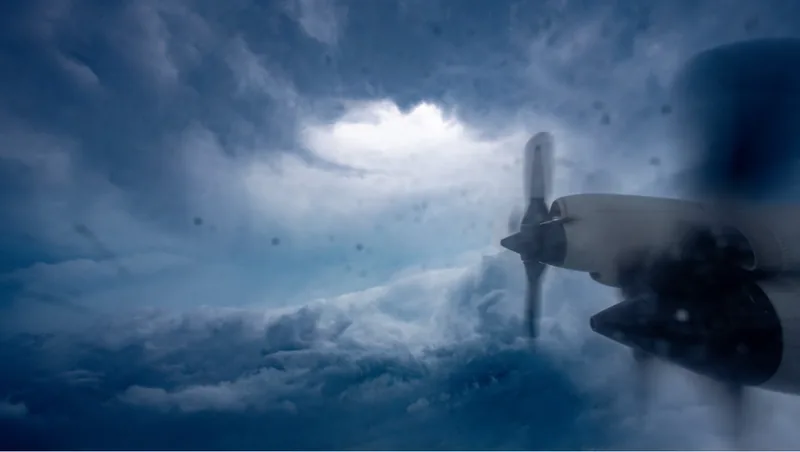
The Met Office, writing about the National Hurricane Center’s practice, says that in the North Atlantic “tropical or subtropical cyclones are named by the National Hurricane Centre when they are judged to have intensified into a tropical storm with winds of at least 65 km/h, (40 mph).” That is the Met Office’s wording about the NHC, and is kept as such. [source]
If such a named Atlantic storm later reaches the UK criteria, it keeps the name it already has. The official example remains Ophelia. [source]

Keep exploring
- Storm-name finder — tap Arthur, or Austen, and see which list you are on.
- When is a storm named? — the western-group rule, and Storm Ophelia.
- Discoveries — the missing letters, and a survey after Goretti.
Enjoyed this naming desk?
No pop-ups. No intrusive advertising. Just interesting stuff. A little support helps the next storms site get built.